Drug addiction affects millions of families every year. It damages physical health, mental peace, relationships, careers, and confidence. Many people want to quit drugs, but they struggle without professional support. This is where a trusted drug rehabilitation center becomes important.
A proper recovery program gives people a safe place to heal. It also helps families understand addiction and support their loved ones. Today, many drug and rehabilitation centers focus on complete recovery instead of temporary solutions.
According to reports from health organizations, substance abuse cases continue to increase among young adults and working professionals. Early treatment improves recovery success and lowers the risk of long-term health problems.
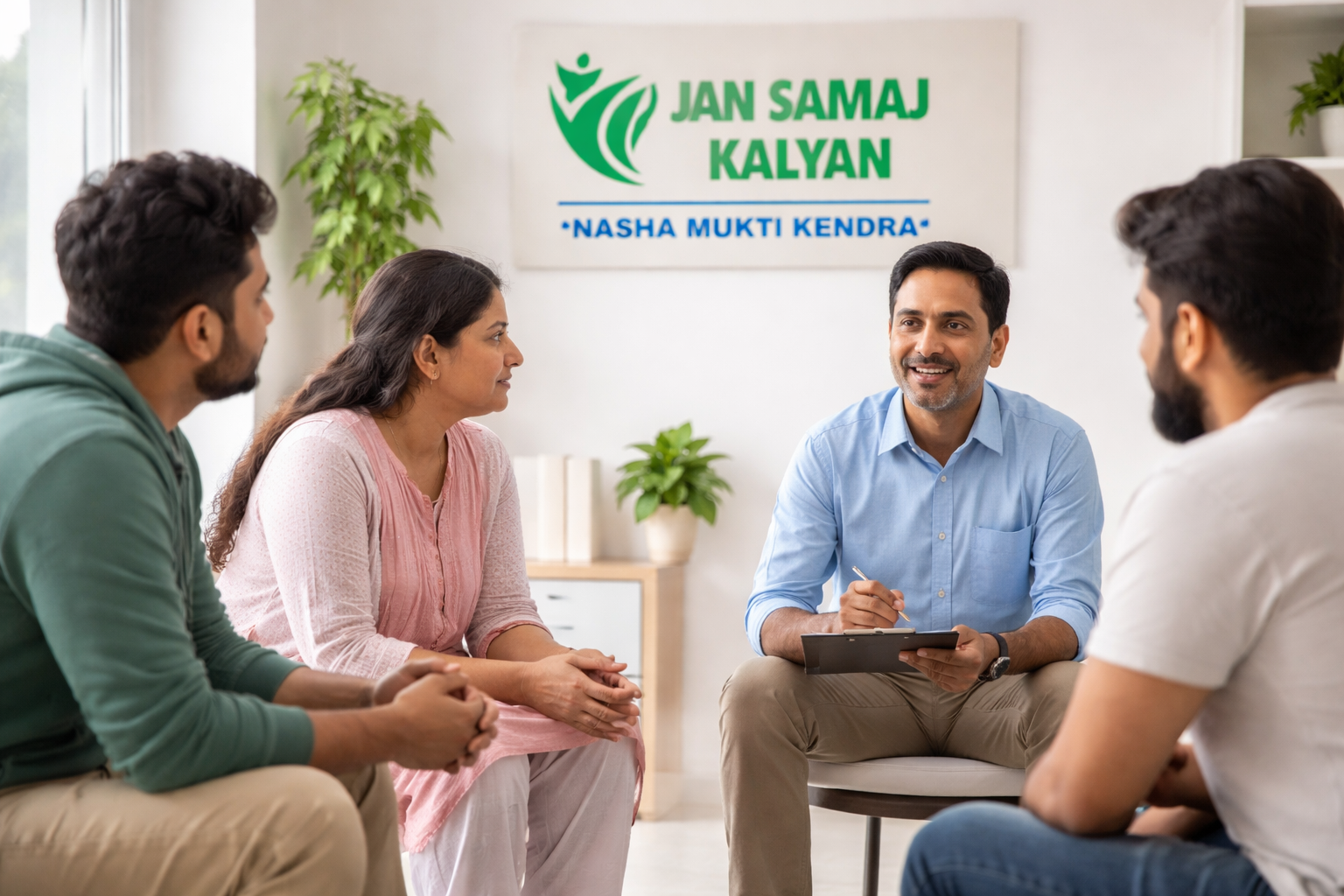
Organizations like Jan Samaj Kalyan, a trusted Nasha Mukti Kendra, are helping individuals restart life with counseling, therapy, and recovery support programs.
What Is a Drug Rehabilitation Center?
A drug rehabilitation center is a facility that helps people recover from drug addiction. These centers provide medical care, counseling, emotional support, and rehabilitation programs designed for long-term recovery.
Drug addiction changes brain behaviour. Because of this, quitting suddenly becomes difficult for many people. Professional treatment helps patients manage withdrawal symptoms and regain control over their daily lives.
Most drug rehabilitation facilities offer:
- Detoxification support
- Individual counseling
- Group therapy sessions
- Mental health treatment
- Family counseling
- Relapse prevention programs
Many rehabilitation for drug addicts programs also focus on improving emotional strength and social confidence.
Why Drug Addiction Is Becoming a Serious Problem
Drug addiction is no longer limited to one age group. Teenagers, college students, working professionals, and even older adults are facing substance abuse issues.
Common reasons behind addiction include:
- Stress and anxiety
- Depression and loneliness
- Peer pressure
- Family conflicts
- Unemployment problems
- Easy access to harmful substances
In many cases, people start using drugs casually. Over time, dependency increases and becomes difficult to control.
This is why early treatment at a drug rehabilitation center is important.
Signs Someone Needs Rehabilitation for Drug Addicts
Many families fail to notice addiction symptoms during the early stage. Recognizing warning signs quickly can help save someone’s life.
Common Signs of Drug Addiction
Behavioural Signs
- Sudden anger or mood swings
- Isolation from family members
- Secretive behavior
- Poor work or academic performance
Physical Signs
- Weight loss
- Red eyes
- Poor hygiene
- Sleeping problems
Emotional Signs
- Anxiety and depression
- Lack of motivation
- Aggressive behavior
- Emotional instability
Financial and Social Signs
- Borrowing money frequently
- Selling personal belongings
- Relationship issues
- Legal troubles
If these signs continue for weeks or months, professional rehabilitation for drug addicts may become necessary.
How Drug Rehabilitation Facilities Help Recovery
Recovery is not only about stopping drug use. It is about rebuilding mental strength, emotional stability, and healthy habits.
Most drug rehabilitation facilities follow a step-by-step treatment process.
1. Initial Assessment
Doctors and counselors first understand the patient’s condition. They check addiction severity, mental health, and medical history.
This helps create a personalized treatment plan.
2. Detoxification Process
Detox removes harmful substances from the body. Many people experience withdrawal symptoms during this phase.
Medical supervision helps patients stay safe and comfortable.
3. Therapy and Counseling
Therapy helps patients understand emotional triggers behind addiction.
Common therapies include:
- Cognitive Behavioral Therapy (CBT)
- Group counseling
- Family therapy
- Motivational therapy
4. Skill and Lifestyle Development
Many drug and rehabilitation centers teach healthy daily routines, stress management, and communication skills.
These habits reduce relapse risk.
5. Aftercare Support
Long-term support is important after treatment. Follow-up counseling and recovery meetings help patients stay focused on sobriety.
Benefits of Joining a Drug Rehabilitation Center
Professional treatment offers several physical and emotional benefits.
Better Medical Care
Withdrawal symptoms can become dangerous without supervision. A professional drug rehabilitation center provides safe medical monitoring during recovery.
Emotional Stability
Therapy sessions help patients handle stress, fear, guilt, and anxiety more effectively.
Reduced Risk of Relapse
Structured programs teach patients how to avoid triggers and unhealthy habits.
Improved Family Relationships
Family counseling improves communication and trust between loved ones.
Healthier Lifestyle
Patients learn healthy sleeping habits, exercise routines, and stress management techniques.
According to addiction recovery studies, people receiving professional treatment often show better long-term recovery results compared to those trying recovery alone.
What Makes a Good Drug Rehabilitation Center?
Choosing the right center plays a major role in recovery success.
Important Things to Check
Qualified Professionals
The center should have experienced doctors, therapists, and counselors.
Customized Treatment
Every patient has different challenges. Personalized care improves recovery outcomes.
Clean and Safe Environment
A peaceful environment helps patients focus on healing.
Family Support Programs
Family involvement increases emotional support during recovery.
Long-Term Recovery Planning
Good rehabilitation centers provide aftercare and relapse prevention support.
Trusted organizations like Jan Samaj Kalyan focus on supportive rehabilitation programs that help people rebuild confidence and return to a healthier lifestyle.
Why Mental Health Support Matters During Recovery
Many addicts struggle with mental health conditions along with substance abuse.
Common issues include:
- Anxiety disorders
- Depression
- Trauma
- Emotional stress
- Social isolation
Ignoring mental health can increase relapse risk. This is why modern drug rehabilitation facilities combine addiction treatment with emotional support and counseling.
Mental wellness improves decision-making and recovery stability.
Common Challenges During Addiction Recovery
Recovery is a gradual process. Patients often face physical and emotional challenges during treatment.
Withdrawal Symptoms
Patients may experience:
- Headaches
- Sweating
- Irritability
- Insomnia
- Nausea
Medical supervision helps reduce complications.
Emotional Pressure
Many recovering addicts feel guilt or fear about their future.
Counselors help patients manage these emotions positively.
Social Triggers
Returning to unhealthy environments can increase relapse chances.
Strong support systems help maintain recovery progress.
Fear of Judgment
Some people avoid treatment because they fear social criticism.
Addiction is a health condition, not a moral failure. Professional support can change lives.
How Families Can Support Recovery
Family support plays an important role during rehabilitation for drug addicts.
A supportive environment improves emotional strength and recovery confidence.
Helpful Ways Families Can Support Patients
- Encourage treatment without anger
- Attend counseling sessions
- Avoid blame and harsh criticism
- Celebrate small recovery milestones
- Create a positive home environment
Families should also learn about addiction recovery to better understand emotional struggles during treatment.
Why Early Treatment Is Important
Many people delay treatment because they believe addiction will improve naturally. Unfortunately, addiction often becomes more severe over time.
Early Treatment Helps:
- Prevent serious health damage
- Improve mental health stability
- Reduce overdose risks
- Protect family relationships
- Improve recovery success rates
Early support from a drug rehabilitation center can save both lives and relationships.
How Rehabilitation Improves Society
Drug addiction affects communities as well as individuals.
Addiction can increase:
- Crime rates
- Domestic violence
- Financial instability
- Workplace problems
- Mental health disorders
Professional rehabilitation programs help people return to productive and healthy lives.
Recovered individuals often rebuild careers, reconnect with families, and contribute positively to society again.
Local Support and Community Recovery Programs
Local rehabilitation services make treatment more accessible for families.
Community-based support programs help patients stay connected during recovery. This reduces feelings of loneliness and isolation.
Many families trust organizations like Jan Samaj Kalyan because they provide compassionate guidance, counseling, and recovery-focused rehabilitation support for people struggling with addiction.
Accessible local support often encourages patients to seek treatment earlier.
What to Expect After Rehabilitation
Recovery continues even after leaving a rehabilitation center.
Patients must maintain healthy routines and emotional discipline.
Healthy Habits After Recovery
- Regular counseling sessions
- Healthy diet and exercise
- Avoiding harmful social circles
- Practicing stress management
- Building supportive friendships
Long-term recovery requires patience, consistency, and emotional support.
Conclusion
Drug addiction affects physical health, emotional well-being, families, and future opportunities. Recovery may feel difficult, but professional help can make a major difference.
A trusted drug rehabilitation center provides medical care, counseling, emotional support, and structured recovery programs that help individuals regain control over life.
Early treatment improves recovery success and reduces long-term damage. Families should encourage open conversations and seek professional support when needed.
Organizations like Jan Samaj Kalyan continue helping individuals and families through compassionate rehabilitation programs, counseling support, and long-term recovery guidance.
Healing takes time, but recovery is always possible with the right support system.
Frequently Asked Questions (FAQ)
What does a drug rehabilitation center do?
A drug rehabilitation center helps people recover from addiction through detox, counseling, therapy, medical care, and long-term recovery support.
How long does rehabilitation for drug addicts take?
Recovery time depends on addiction severity, mental health condition, and treatment type. Some programs last a few weeks, while others continue for several months.
What treatments are available in drug rehabilitation facilities?
Most facilities offer detoxification, counseling, behavioral therapy, family therapy, mental health support, and relapse prevention programs.
Can a person fully recover from drug addiction?
Yes. Many people recover successfully with professional treatment, emotional support, and long-term recovery planning.
Why is family support important during addiction recovery?
Family support improves emotional stability, motivation, and treatment success during rehabilitation.
What are the signs that someone needs a drug rehabilitation center?
Common signs include mood swings, isolation, financial problems, poor health, aggressive behavior, and loss of control over drug use.
Are local rehabilitation centers effective?
Yes. Local drug and rehabilitation centers provide accessible treatment, counseling, and community support for long-term recovery.
How can relapse be prevented after rehabilitation?
Relapse prevention includes counseling, healthy habits, emotional support, stress management, and avoiding harmful environments.