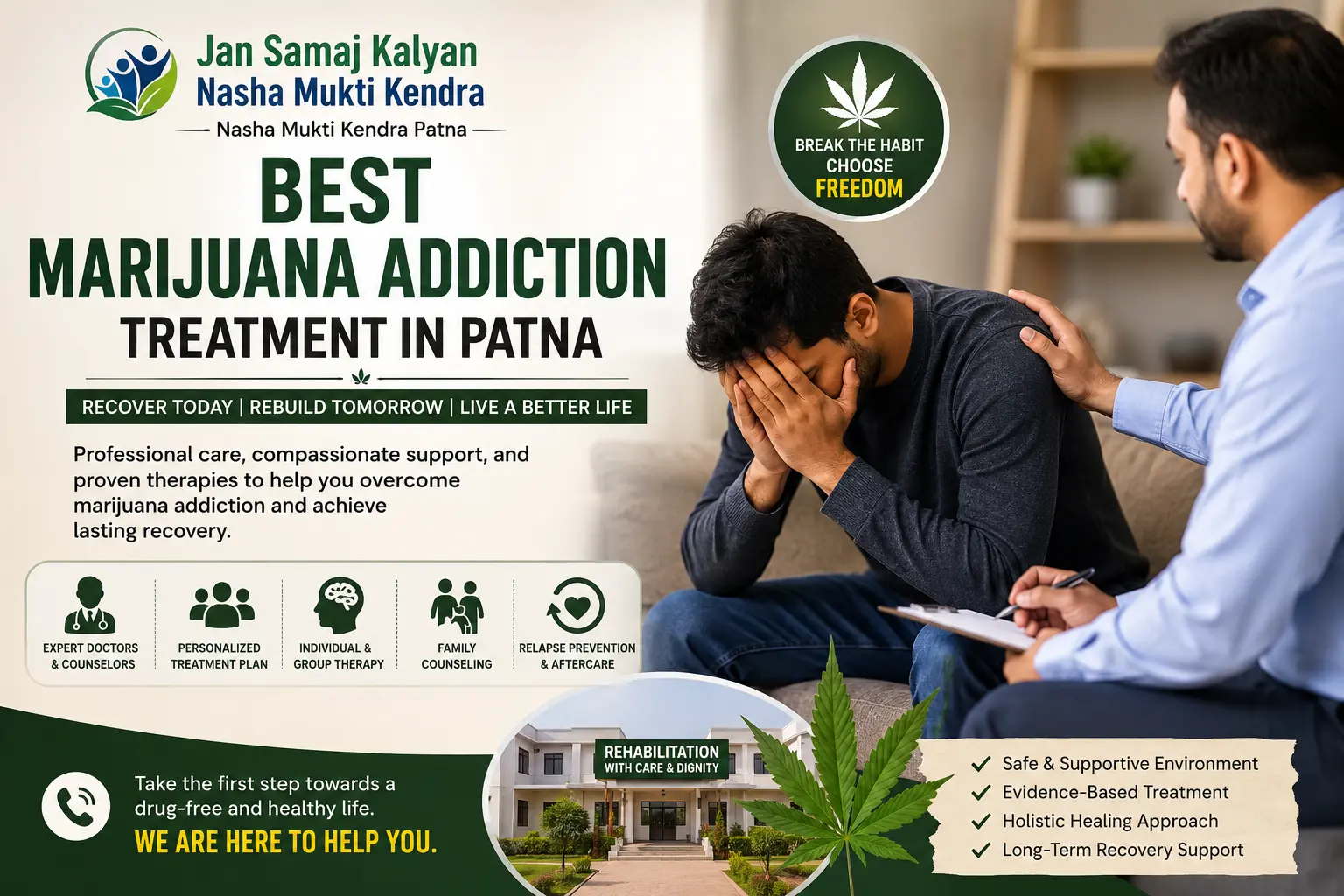
There are still many people who consider marijuana to be “not a true drug,” and that you can use it or not at your own convenience. What is true, however, is more complicated. Over time, excessive and unchecked use can gradually erode an individual’s health, mental faculties, family life, schooling, and job. With the help of the best marijuana addiction treatment in Patna, individuals have a genuine chance to break free from the draw of marijuana addiction, with the assistance of trained medical professionals, private counseling, and a structured framework for resuming their lives. The sooner a person gets assistance the better the recovery process will be and the less health issues will be left to deal with later.
Understanding Marijuana Addiction
Marijuana has many names including cannabis, weed and ganja, and it is one of the most used psychoactive substances around. For some, it may be used randomly and occasionally cause no problems at all, while for others frequent use becomes a dependency for the brain. The brain adapts to the presence of the substance and functioning without it becomes abnormal.
A person in this cycle may feel irritated, may have poor sleep, poor memory, lack of concentration, poor motivation, and may have an overall feeling of being unproductive. The more this continues, the more difficult it is to stop without some sort of professional assistance.
It’s important to keep in mind that addiction is a disease, not a moral failing. That is sometimes the first step to recovery.
Common Signs of Cannabis Dependence
Catching the warning signs early can stop things from spiraling further. Here’s what to look out for:
Constant Cravings
The person can’t stop thinking about marijuana, the urge shows up during work, in the middle of studying, even at family gatherings.
Increased Tolerance
What used to work in small amounts no longer does. The body starts demanding more of the substance to feel the same effect, so use becomes more frequent.
Withdrawal Symptoms
Cutting back or stopping altogether can bring on a rough patch.
Including:
- Irritability
- Restlessness
- Difficulty sleeping
- Anxiety
- Mood changes
- Loss of appetite
- Headaches
These uncomfortable symptoms are often exactly what pulls someone back into using again, keeping the cycle going.
Declining Daily Performance
Grades slip, work output drops, relationships get strained, and life in general starts to feel harder to manage. Many people also lose interest in things they used to genuinely enjoy.
Why Professional Treatment Is Important
There are so many people who attempt to overcome their addiction on their own, but they run into a brick wall because addiction is not only a physical thing, it’s a mental one also. That’s why proper rehabilitation is important, because self-willpower sometimes doesn’t provide the structure and support.
Choosing the best marijuana addiction treatment in Patna is not merely about alleviating symptoms, it’s about addressing the underlying causes of addiction. Each treatment program is tailored to the individual’s medical history, emotional requirements and personal recovery objectives.
How Marijuana Addiction Is Treated
Comprehensive Assessment
The first step to recovering is the comprehensive evaluation. They pay attention to the individual’s medical history, pattern of use, mental health, daily living and family history and draft a plan that is specific to the individual and not a template.
Medical Supervision During Withdrawal
Marijuana withdrawal is not as severe as some other drugs, but it still causes uncomfortable symptoms to get in the way of someone’s will. It’s safer to have medical personnel around to deal with those symptoms and to keep the person on track.
Individual Counseling
One on One sessions help to delve into the underlying causes of the dependence. Often there are underlying causes such as stress, anxiety, peer pressure, past trauma or depression which are addressed through effective therapeutic interventions. Patients also pick up healthier ways of coping so they’re less likely to fall back into old habits.
Behavioral Therapy
This is one component this puzzle deals with: Identifying unhealthy thoughts and replacing them with healthier ones. It also enhances decision making, emotional regulation and self-confidence as well as providing patients with practical strategies to manage cravings and high-stress periods.
Group Therapy and Peer Support
It can be very comforting to be in a room with people that are in the same situation as you. Stories help to create a feeling of accountability and drive because when people hear how others are doing, it motivates them to remain committed to their own recovery.
Family Counseling
Addiction doesn’t just impact one person, it impacts the entire family. Family counseling helps to restore relationships, rebuild communication and trust, and educate loved ones on how to effectively support a person in recovery. A loving family can be a key factor in helping someone maintain their sobriety after they have completed their treatment.
Lifestyle Changes That Support Recovery
Successful rehabilitation extends beyond therapy sessions. Patients are encouraged to develop healthier routines that improve both physical and mental well-being.
Some positive lifestyle changes include:
- Regular physical exercise
- Balanced nutrition
- Yoga and meditation
- Proper sleep habits
- Stress management techniques
- Productive hobbies
- Positive social interactions
These small daily changes go a long way in building emotional resilience and lowering the odds of relapse.
Preventing Relapse After Treatment
Recovery is an ongoing process that requires commitment even after formal rehabilitation ends.
Relapse prevention strategies include:
Identifying Personal Triggers
It’s easier to be ready for a better response if you know what situations, feelings, or environments tend to push someone back towards using marijuana.
Building a Strong Support System
It’s a family, counselors and recovery groups who hold the person accountable and keep them motivated, particularly during the more difficult times.
Continuing Professional Follow-Up
Formal treatment ends with regular check-ins to monitor progress, deal with fresh obstacles that arise, and maintain healthy behaviors.
Choosing the Right Rehabilitation Centre
Selecting the right rehabilitation centre plays a major role in long-term recovery.
Look for a centre that offers:
- Personalized treatment plans
- Qualified addiction specialists
- Medical supervision
- Individual and group counseling
- Family support programs
- Relapse prevention planning
- A safe and supportive environment
When looking for a reliable Nasha Mukti Kendra Patna, you should look for a rehabilitation centre that can provide a comprehensive treatment and healing program and not just address the symptoms of addiction. Jan Samaj Kalyan Nasha Mukti Kendra is dedicated to providing each person with compassionate, individualized treatment to help them overcome their dependence on cannabis and lead a healthier, happier life in the future. Doing this first step today can result in a renewed sense of confidence, better relationships and real recovery.
It is also useful to know internationally recognised guidance on substance use disorders prior to a treatment decision. The World Health Organization (WHO) offers helpful resources on prevention, treatment and recovery, and stresses that the best treatments are based on the research and are led by professional providers.
Conclusion
It is possible to help someone recover, but marijuana addiction can sneak into all aspects of a person’s life without anyone knowing it. By selecting the best marijuana addiction treatment in Patna, you can access a structured rehabilitation environment, thoughtful counseling, behavioral therapy, and ongoing support, catering to both the physical and emotional aspects of addiction.
FAQs
1. What is marijuana addiction?
It’s a condition where someone becomes physically or psychologically dependent on cannabis and struggles to stop, even when it’s clearly hurting their health, relationships, or daily life.
2. What are the common symptoms of marijuana addiction?
Strong cravings, mood swings, poor focus, memory trouble, anxiety, irritability, disrupted sleep, and a general loss of motivation are all fairly common signs.
3. How is marijuana addiction treated?
Treatment typically involves a medical assessment, counseling, behavioral therapy, family involvement, relapse prevention planning, and lifestyle changes that support long-term recovery.
4. Can marijuana withdrawal cause symptoms?
Yes, some people go through anxiety, insomnia, irritability, headaches, restlessness, and a reduced appetite after they stop using.
5. How long does marijuana rehabilitation take?
It really depends on how severe the addiction is and how the individual responds to treatment. Some people recover in just a few weeks, while others need a longer program to get there.