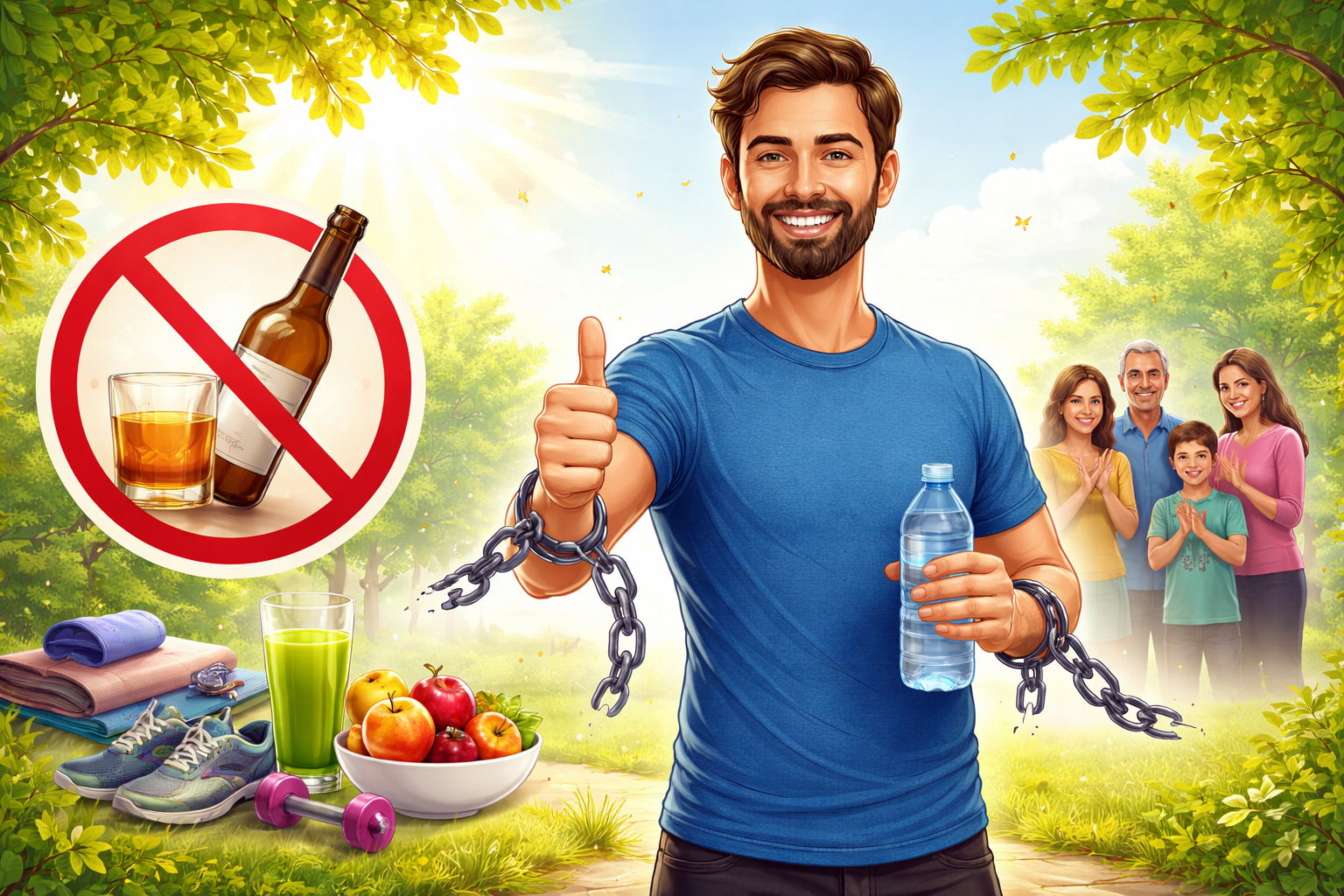
Alcohol addiction affects millions of people worldwide. Many people start drinking casually, but over time, it becomes a daily habit. This habit slowly affects physical health, mental peace, relationships, and financial stability. That is why learning how to control alcohol addiction is important for long-term recovery.
According to global health reports, alcohol misuse causes nearly 3 million deaths every year. It also increases the risk of liver disease, depression, anxiety, and family problems. The good news is that recovery is possible with the right mindset, healthy habits, and support.
If you or someone close to you is struggling, this guide will explain practical ways to stop drinking naturally and build a healthier future.
What Is Alcohol Addiction?
Alcohol addiction is a condition where a person feels a strong need to drink alcohol regularly. Over time, the body and mind become dependent on alcohol. This makes it difficult to stop even when drinking causes serious problems.
Some people drink to reduce stress or emotional pain. Others start because of social pressure or unhealthy company. Slowly, drinking becomes part of daily life. This pattern can lead to alcohol dependency symptoms and serious health issues.
Alcohol addiction is not only about drinking too much. It also affects emotions, behaviour, sleep, relationships, and work performance. Early treatment can improve recovery chances and prevent long-term damage.
Signs of Alcohol Addiction
Recognizing the warning signs early can help a person seek support before the condition becomes severe.
Physical Signs
Physical symptoms often appear first. The body starts reacting when alcohol intake increases regularly.
Common physical signs include:
- Poor sleep quality
- Frequent headaches
- Low energy levels
- Weight loss or gain
- Shaking hands
- Digestive problems
Many people also experience alcohol withdrawal symptoms when they try to stop drinking suddenly.
Emotional Signs
Alcohol addiction also affects emotional health. Mood changes become common after regular drinking.
Emotional signs may include:
- Anxiety
- Depression
- Anger issues
- Irritability
- Lack of motivation
- Emotional instability
These changes can affect personal and professional life.
Behavioural Signs
Behavioural changes are another major warning signal.
Common behavioural signs include:
- Drinking alone frequently
- Hiding alcohol bottles
- Missing responsibilities
- Spending too much money on alcohol
- Avoiding family gatherings
- Losing interest in hobbies
When these signs appear together, professional addiction recovery support may become necessary.
Why Alcohol Addiction Happens
Understanding the root cause helps people control the habit more effectively.
Several factors increase the risk of addiction:
- Stressful lifestyle
- Family problems
- Mental health conditions
- Peer pressure
- Trauma or emotional pain
- Lack of emotional support
Many people use alcohol as a temporary escape. However, alcohol only creates short-term relief while increasing long-term problems.
How to Control Alcohol Addiction Naturally
Many people ask how to stop alcohol addiction naturally without depending only on medication. Natural recovery methods can support healing when combined with strong commitment and guidance.
Accept the Problem
Recovery starts with honesty. A person must first accept that alcohol is affecting life negatively.
This step may feel difficult, but it builds the foundation for improvement. Family support and self-awareness play an important role during this stage.
People who accept the problem early often recover faster and avoid severe complications.
Avoid Drinking Triggers
Triggers are situations, people, or emotions that increase the urge to drink alcohol.
Common triggers include:
- Stress
- Certain friend groups
- Parties
- Loneliness
- Negative emotions
Avoiding these situations can reduce alcohol cravings naturally. Replacing unhealthy habits with productive activities also helps.
Build Healthy Daily Habits
Healthy routines support both physical and mental recovery.
Simple lifestyle changes include:
- Waking up early
- Exercising daily
- Drinking enough water
- Eating healthy meals
- Sleeping on time
Exercise releases natural mood-boosting hormones. This helps reduce anxiety and emotional stress during recovery.
Studies show that regular physical activity improves addiction recovery success rates.
Practice Stress Management
Stress is one of the biggest causes of alcohol dependency.
Healthy stress management methods include:
- Meditation
- Deep breathing
- Yoga
- Walking outdoors
- Listening to calming music
These habits improve emotional balance and reduce the urge to drink alcohol.
People who manage stress properly often experience better long-term recovery results.
Focus on Healthy Nutrition
The body becomes weak after long-term alcohol use. Proper nutrition helps repair damage and restore energy.
Healthy foods include:
- Fresh fruits
- Green vegetables
- Nuts and seeds
- Protein-rich meals
- Whole grains
Reducing junk food and sugary drinks also supports the alcohol recovery process.
Hydration is equally important because alcohol dehydrates the body.
Alcohol Addiction Home Remedies
Many people search for alcohol addiction home remedies to support natural recovery. While home remedies cannot replace medical care in severe cases, they may help reduce cravings and improve overall health.
Honey and Lemon Water
Honey provides natural energy while lemon helps detoxify the body. Drinking warm lemon water in the morning may support digestion and hydration.
This simple drink also helps improve freshness and reduce fatigue.
Herbal Tea
Herbal tea can calm the mind and reduce stress naturally.
Helpful options include:
- Chamomile tea
- Green tea
- Ginger tea
- Tulsi tea
These drinks support relaxation and improve sleep quality.
Dates and Dry Fruits
Dates contain natural sugar and nutrients that may help reduce alcohol cravings.
Dry fruits like almonds and walnuts also improve brain health and provide healthy energy during recovery.
Stay Hydrated
Many people confuse dehydration with alcohol cravings.
Drinking enough water throughout the day can reduce cravings and improve concentration. Coconut water and fresh juices are also helpful during detox support.
How Family Support Helps in Recovery
Family support can make a major difference during addiction recovery.
People fighting alcohol addiction often feel isolated or emotionally weak. Encouragement from loved ones helps them stay motivated.
Supportive families can:
- Listen without judgment
- Encourage healthy routines
- Help avoid triggers
- Motivate treatment participation
- Offer emotional stability
Negative criticism may increase stress and worsen the condition. Patience and understanding are important during recovery.
Benefits of Quitting Alcohol
Quitting alcohol improves both physical and emotional health. Many people notice positive changes within a few weeks.
Physical Benefits
Physical improvements may include:
- Better liver function
- Improved sleep
- Increased energy
- Better digestion
- Healthier skin
The immune system also becomes stronger over time.
Mental Benefits
Mental health often improves after reducing alcohol intake.
Common benefits include:
- Reduced anxiety
- Better focus
- Improved confidence
- Emotional stability
- Lower stress levels
Clear thinking helps people rebuild their personal and professional life.
Social and Financial Benefits
Alcohol addiction affects relationships and financial stability.
Quitting alcohol can help people:
- Save money
- Rebuild trust
- Improve work performance
- Spend quality family time
- Develop healthier friendships
Recovery improves overall quality of life.
When Professional Help Is Necessary
Some people can reduce alcohol intake naturally, but severe addiction often requires professional treatment.
Professional support becomes important when:
- Withdrawal symptoms become dangerous
- A person cannot stop drinking alone
- Mental health issues increase
- Relapse happens repeatedly
Counselling, therapy, and rehabilitation programs provide structured support for long-term recovery.
Centres like Jan Samaj Kalyan Nasha Mukti Kendra help individuals through counselling, emotional care, and addiction recovery programs designed for sustainable improvement.
Seeking professional treatment is a sign of strength, not weakness.
How to Prevent Alcohol Relapse
Relapse prevention is an important part of recovery. Many people return to drinking because they stop following healthy habits.
Simple relapse prevention tips include:
- Stay busy with productive work
- Join support groups
- Exercise regularly
- Avoid a negative company
- Track recovery progress
- Celebrate small achievements
Consistency is important during long-term alcohol recovery.
What Makes Alcohol Recovery Successful?
Successful recovery usually depends on several factors working together.
Important recovery factors include:
- Strong personal commitment
- Family support
- Healthy lifestyle
- Emotional balance
- Proper counseling
- Long-term discipline
Recovery is not a one-day process. It takes patience, effort, and continuous self-improvement.
Frequently Asked Questions (FAQ)
What is the fastest way to control alcohol addiction?
The fastest way includes accepting the problem early, avoiding triggers, improving daily habits, and seeking professional support if needed.
How to stop alcohol addiction naturally at home?
People can reduce alcohol cravings naturally through exercise, healthy food, stress management, hydration, and family support.
Can alcohol addiction be cured permanently?
Many people achieve long-term recovery with proper treatment, discipline, and healthy lifestyle changes.
What foods help reduce alcohol cravings?
Fruits, nuts, dates, protein-rich foods, and healthy snacks may help reduce cravings and improve recovery.
How long does alcohol recovery take?
Recovery time varies from person to person. Some people notice improvement within weeks, while complete emotional recovery may take several months.
Is professional treatment necessary for alcohol addiction?
Professional treatment becomes necessary when addiction is severe, withdrawal symptoms become risky, or repeated relapse occurs.
Conclusion
Learning how to control alcohol addiction can change a person’s life completely. Recovery may feel difficult in the beginning, but small daily improvements create long-term success.
Healthy habits, emotional support, proper nutrition, and stress management all play an important role in recovery. Family encouragement also helps people stay strong during difficult phases.
Most importantly, never feel ashamed to ask for help. With patience and the right support, people can overcome alcohol addiction and build a healthier, happier future.
Related Guide: Alcohol De Addiction Centre: Complete Guide to Recovery and Treatment