Alcohol addiction affects both the body and the mind. Many people start drinking casually, but over time, alcohol becomes a daily need. This condition can damage health, relationships, work life, and emotional stability.
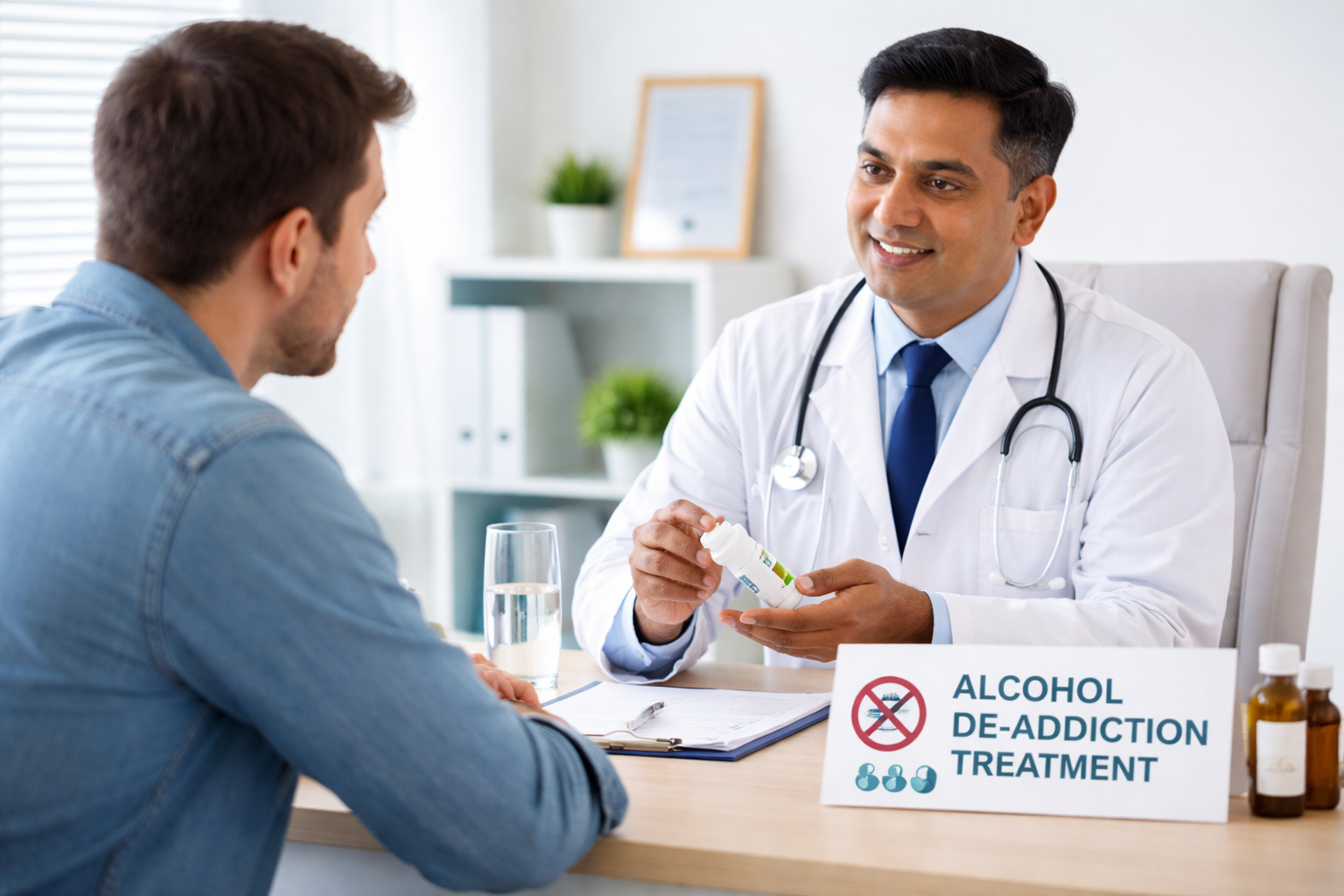
Today, many doctors recommend alcohol de addiction medicine as part of a complete recovery plan. These medicines help reduce cravings, control withdrawal symptoms, and support long-term recovery. With proper treatment and family support, recovery becomes possible.
According to global health reports, alcohol misuse causes more than 3 million deaths every year worldwide. This shows why early treatment matters. Timely medical care can save lives and help families rebuild trust and stability.
What Is Alcohol De Addiction Medicine?
Alcohol de addiction medicine refers to medicines used to help people stop drinking alcohol safely. These medicines work by reducing cravings, managing withdrawal symptoms, and lowering the risk of relapse.
Doctors usually prescribe these medicines during detox and rehabilitation treatment. The goal is to make recovery safer, easier, and more successful for the patient.
Some medicines help control brain chemicals linked to addiction. Others create unpleasant reactions after alcohol use, which discourages drinking. Treatment plans depend on the patient’s physical and mental condition.
Professional centers like Jan Samaj Kalyan Nasha Mukti Kendra often combine medicine, counseling, therapy, and emotional support to improve recovery outcomes.
Why People Need Alcohol De Addiction Medicine
Many people cannot quit alcohol suddenly because the body becomes dependent on it. When alcohol intake stops, withdrawal symptoms can appear within a few hours. Some symptoms become dangerous without medical supervision.
Alcohol addiction treatment medicines help reduce these symptoms and protect the patient during detoxification. They also help people stay focused during recovery.
Common Withdrawal Symptoms
- Anxiety
- Sweating
- Hand shaking
- Vomiting
- Sleep problems
- Fast heartbeat
- Mood swings
- Strong alcohol cravings
Without proper treatment, withdrawal symptoms may become severe. In some cases, seizures and confusion may occur. This is why medical guidance is important during alcohol detox treatment.
Common Alcohol De Addiction Medicine Name
Many people search online for the right alcohol de addiction medicine name before starting treatment. Doctors usually prescribe medicines based on the patient’s addiction level, liver health, and mental condition.
1. Disulfiram
Disulfiram is one of the most commonly used medicines for alcohol addiction recovery. This medicine creates unpleasant effects if alcohol is consumed. Patients may feel nausea, headache, or vomiting after drinking alcohol.
This treatment helps people avoid alcohol because the reaction becomes uncomfortable. Doctors usually recommend it for motivated patients who want long-term recovery support.
2. Naltrexone
Naltrexone helps reduce alcohol cravings. It blocks the pleasurable effects linked to drinking alcohol. Many doctors use this medicine to lower relapse risk during rehabilitation.
This medicine may help patients who struggle with repeated alcohol use. Regular counseling and monitoring improve the results of this treatment.
3. Acamprosate
Acamprosate helps restore chemical balance in the brain after long alcohol use. It supports emotional stability and reduces the urge to drink alcohol again.
Doctors often recommend this medicine after detox treatment. It works best when combined with therapy and family support.
4. Benzodiazepines
Benzodiazepines are mainly used during alcohol withdrawal treatment. These medicines help reduce anxiety, seizures, and sleep problems during detoxification.
Doctors usually prescribe them for short-term use only. Long-term use is avoided because dependence risk may increase.
How Alcohol De Addiction Medicine Works
Alcohol affects brain chemicals linked to pleasure, stress, and emotional control. Over time, the brain starts depending on alcohol to function normally. This makes quitting difficult without support.
Alcohol de addiction medicine helps normalize these brain functions. Some medicines reduce cravings, while others control withdrawal symptoms. Certain medicines also help patients avoid relapse triggers.
How These Medicines Help
- Reduce alcohol cravings
- Improve sleep quality
- Control anxiety and stress
- Prevent severe withdrawal symptoms
- Support long-term recovery
Medicines alone are not enough. Counseling, therapy, healthy habits, and emotional support play an important role in addiction recovery.
Signs You May Need Alcohol Addiction Treatment
Many people ignore early warning signs of alcohol addiction. Over time, alcohol use becomes harder to control. Early treatment improves recovery success and reduces health complications.
Common Signs of Alcohol Addiction
- Drinking alcohol every day
- Losing control over alcohol intake
- Hiding drinking habits
- Missing work or family responsibilities
- Health issues linked to alcohol use
- Failed attempts to stop drinking
- Anger or irritation without alcohol
Family members often notice behavioral changes first. Emotional distance, financial problems, and relationship stress are common in households affected by alcohol addiction.
Benefits of Alcohol De Addiction Medicine
The biggest benefit of alcohol addiction treatment medicine is a safer recovery. These medicines reduce physical discomfort and help patients stay focused during rehabilitation.
Many patients experience improved emotional control after starting treatment. Better sleep and reduced cravings also support long-term recovery.
Benefits of Alcohol De Addiction Medicine
- Safer alcohol detox process
- Lower relapse risk
- Reduced alcohol cravings
- Better emotional balance
- Improved mental health
- Increased treatment success rate
- Better family relationships
Studies show that patients receiving both medicine and counseling often have better recovery outcomes compared to those using willpower alone.
Side Effects of Alcohol De Addiction Medicine
Like all medicines, alcohol addiction medicines may cause side effects in some patients. Most side effects are manageable under medical supervision.
Doctors monitor patients regularly during treatment to ensure safety and adjust doses if needed.
Possible Side Effects
- Nausea
- Dizziness
- Fatigue
- Sleep disturbance
- Dry mouth
- Mood changes
Patients should never start or stop medicine without medical advice. Self-medication may increase health risks and delay recovery.
How Doctors Choose the Right Alcohol De Addiction Medicine
Every patient has different medical and emotional needs. Doctors carefully examine the patient before selecting treatment medicines.
Several factors affect the choice of medicine. This helps improve treatment safety and effectiveness.
Doctors Usually Check
- Severity of alcohol addiction
- Liver health condition
- Mental health history
- Current medications
- Previous relapse history
- Physical health problems
Some patients may need detox medicine first, while others may require long-term craving control treatment.
Alcohol Detox vs Alcohol Rehabilitation
Many people confuse detoxification with rehabilitation. Both are important parts of addiction recovery, but they serve different purposes.
| Alcohol Detox | Alcohol Rehabilitation |
| Removes alcohol from the body | Focuses on long-term recovery |
| Short-term medical process | Long-term emotional healing |
| Controls withdrawal symptoms | Provides counseling and therapy |
| Lasts a few days | May continue for months |
Detox helps stabilize the body. Rehabilitation helps patients rebuild their lifestyle and prevent relapse.
Lifestyle Changes That Support Recovery
Recovery becomes stronger when healthy habits are added to treatment. Positive lifestyle changes improve mental health and reduce relapse triggers.
Patients who stay active and connected with supportive people often recover faster.
Healthy Recovery Habits
- Eat nutritious food
- Exercise regularly
- Practice meditation
- Join support groups
- Avoid drinking environments
- Follow medical advice carefully
Family support also matters. Encouragement and patience from loved ones can improve emotional confidence during treatment.
Emotional Impact of Alcohol Addiction on Families
Alcohol addiction affects the entire family, not only the patient. Many families experience stress, fear, financial pressure, and emotional pain.
Children may feel neglected, while spouses often struggle with trust issues. This emotional burden grows when addiction remains untreated for years.
Treatment and counseling help families heal together. Open communication and professional guidance can rebuild emotional stability at home.
When to Visit a Nasha Mukti Kendra
Some alcohol addiction cases require professional rehabilitation care. Severe withdrawal symptoms and repeated relapse attempts are signs that professional support is necessary.
A rehabilitation center provides medical supervision, counseling, therapy, and recovery planning under one system.
You Should Seek Professional Help If
- Alcohol use feels uncontrollable
- Withdrawal symptoms become severe
- Daily responsibilities suffer
- Family conflicts increase
- Previous quitting attempts failed
Professional treatment improves safety and increases recovery success rates.
What Makes Professional Treatment More Effective?
Professional addiction treatment programs follow a structured recovery plan. Patients receive medical care, emotional support, and behavioral therapy together.
This combination helps patients understand addiction triggers and build healthier coping habits.
Effective Recovery Programs Include
- Medical detoxification
- One-to-one counseling
- Group therapy sessions
- Family counseling
- Relapse prevention planning
- Emotional support programs
Long-term recovery needs continuous effort. Regular follow-up care helps patients maintain sobriety after treatment.
Frequently Asked Questions
What is the best alcohol de addiction medicine?
The best medicine depends on the patient’s condition. Doctors commonly prescribe Disulfiram, Naltrexone, or Acamprosate based on treatment needs.
What is the common alcohol de addiction medicine name?
Common alcohol de addiction medicine names include Disulfiram, Naltrexone, Acamprosate, and Benzodiazepines used during withdrawal treatment.
Can alcohol addiction medicine stop cravings?
Yes. Certain medicines help reduce alcohol cravings and lower relapse risk. Counseling and therapy improve the effectiveness of these medicines.
Is alcohol withdrawal dangerous?
Yes. Severe alcohol withdrawal may cause seizures, confusion, and health complications. Medical supervision makes detox safer.
How long does alcohol addiction treatment take?
Treatment duration varies by patient. Detox may take a few days, while rehabilitation and emotional recovery may continue for several months.
Can a person recover fully from alcohol addiction?
Yes. Many people achieve long-term recovery with proper medical treatment, counseling, healthy habits, and family support.
Conclusion
Alcohol addiction can damage health, relationships, and emotional well-being. However, recovery is possible with proper medical care and emotional support. Alcohol de addiction medicine helps reduce cravings, control withdrawal symptoms, and improve recovery success.
Early treatment gives better results. Professional guidance, healthy habits, and strong family support create a safer path toward a stable and alcohol-free life
Related Guide: How to Control Alcohol Addiction Naturally: Simple Steps for a Healthier Life